
Achievements in science and health in the past year (in Spanish)
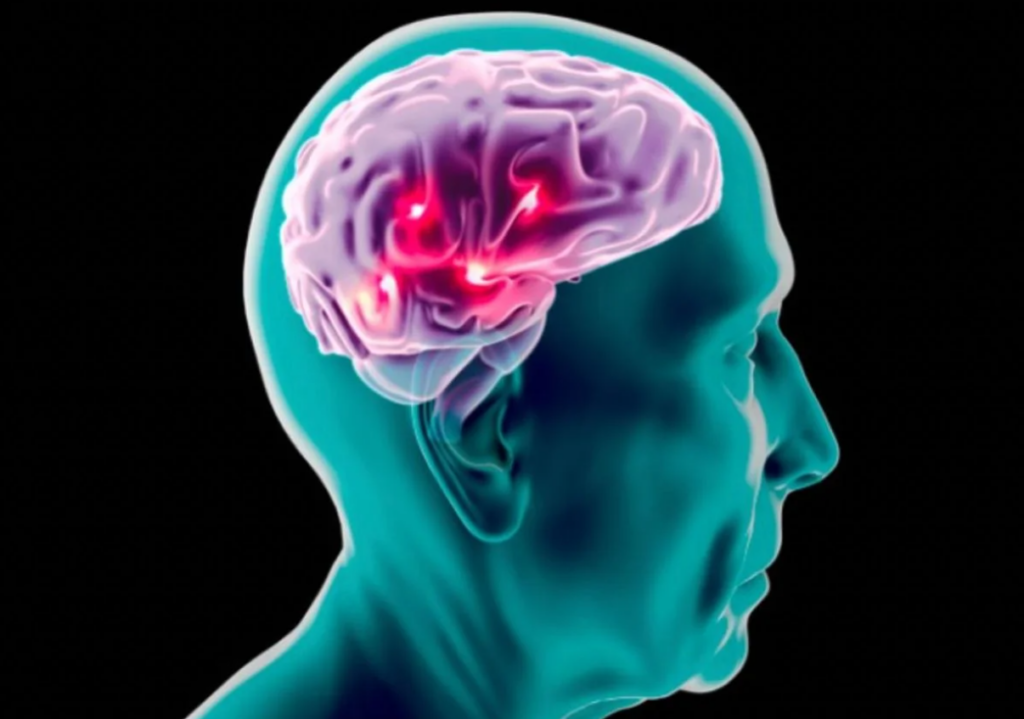
The calendar that is now coming to an end was prolific in problems and frustrations, but even with difficulties of all kinds, in the field of science and health there were remarkable achievements. Here are some of them, among many others. You can read the full article, in Spanish, here. El calendario que ya […]
New approach developed to detect Alzheimer’s disease quickly and inexpensively (in Spanish)

A research group developed a novel method to analyze the linguistic production tasks used in clinical evaluations of this disease. They highlight its automation and cost-effectiveness for use in low-income sectors that do not have access to complete diagnoses. You can read the full article, in Spanish, here. Un grupo de investigación desarrolló un […]
TELL to start an acceleration program with Tampa Bay Wave
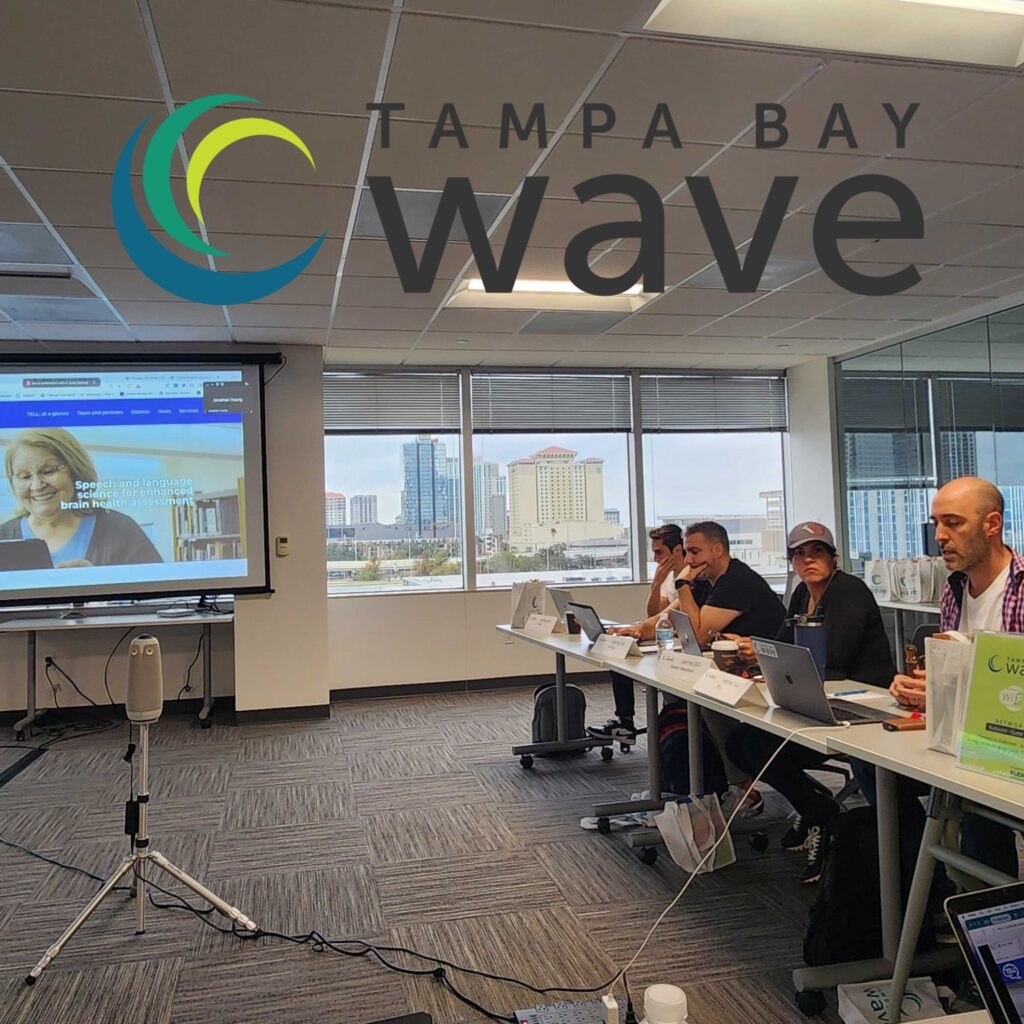
Our TELL app was one of the 15 startups selected from more than 500 applicants to start the LatinTech 2023 acceleration program with Tampa Bay Wave. Congratulations to the TELL team! For more information, click here.
Innovative research will use AI to understand dementia’s linguistic footprint in Latin America

Latin America faces an imminent and daunting challenge: The prevalence of dementia is projected to surge by 180-250% by 2050. Access to a timely and appropriate health system remains a significant hurdle, with an estimated 70-90% of patients in the region left underserved. However, amidst this bleak landscape, advanced technologies, particularly artificial intelligence and natural […]
Santander X Award for TELL
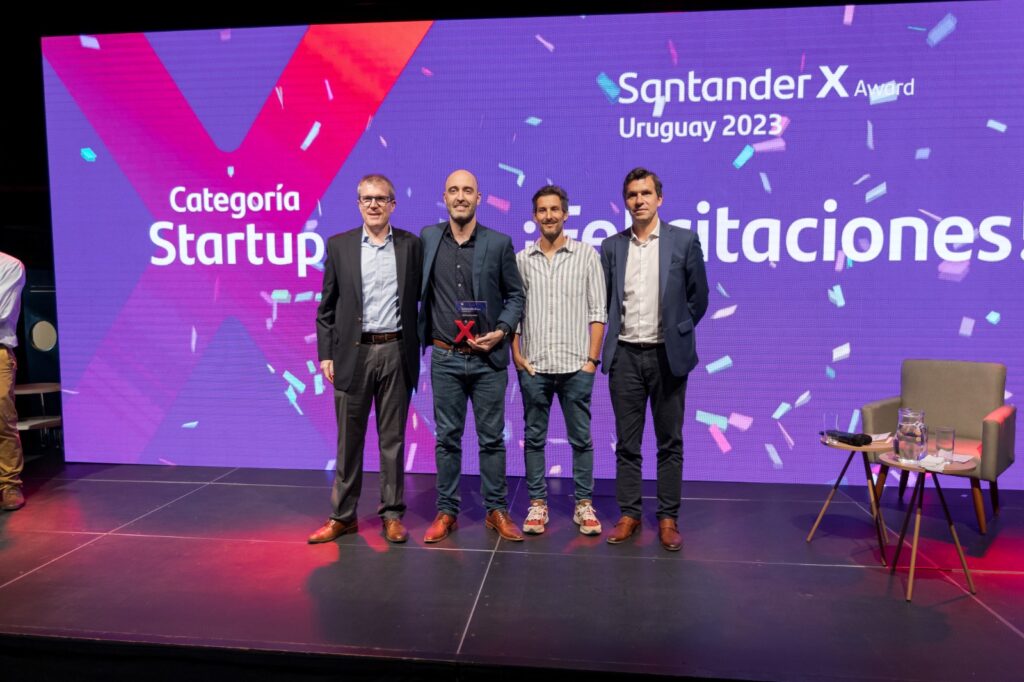
TELL won the Santander X Uruguay Award 2023, in the startup category. Congratulations to the whole team!
TELL lands on Behavior Research Methods

A full description of TELL v.1.0.0 has been published in Behavior Research Methods, the main scientific journal on cognitive science methods, techniques, and instrumentation. We are proud to receive this validation from a world-leading expert venue. See the full paper here.
Monumental study to detect linguistic markers of neurodegeneration (in Spanish)

It is well known that most medical studies and clinical trials are conducted in white populations from developed countries. And although the risk of suffering from different diseases depends very closely on socioenvironmental and socioeconomic factors, the same is true for dementias and other neurodegenerative disorders. There are 7000 languages in the world and only […]
New funding for the development of an automated dementia detection and characterization system awarded by ReDLat scientists (in Spanish)

Dementia is a crucial health problem in contemporary society, and two of its most common variants are frontotemporal dementia and Alzheimer’s disease. In Latin America, this condition represents great challenges, given the burden it imposes not only on those who suffer from it, but also on their families who must redouble the efforts associated with […]
Talk at CAEII

Talk on the origins and horizons of TELL during the 21st Argentine Congress of Students of Industrial Engineering and Related Careers.
$8M NIH grant on language and dementia

The Cognitive Neuroscience Center (University of San Andrés, Argentina), together with the ReDLat consortium, will lead the largest study of language, AI, neuroscience and dementia in the region. The project, titled «An automated machine learning approach to language changes in Alzheimer’s disease and frontotemporal dementia across Latino and English-speaking populations», is aimed at developing an […]